The riff holds, then it opens up. On "Can't You Hear Me Knocking", at the point where most bands would have cut, the Stones open a door and let a tenor saxophone walk in. Bobby Keys takes his time over it: held notes, a phrase that stretches out, no urgency whatsoever. The brass doesn't decorate the end of the track — it shifts its centre of gravity.
That move turns up every time the brass stops being a guest. Genre isn't the common thread. The space it's given in the credits is.
The credit is part of the sound
For a long time, a sax or a trumpet on a rock record was the guest you wheeled out for the final chorus: eight bars, a solo, curtain. The difference is administrative as much as sonic. When the brass player is named, someone writes them a line and reserves room in the arrangement; when they stay "brass section" on the sleeve, they plug the gaps in the mix.
The saxophone line isn't always paraded as a solo, either; it can move between the guitars, slip into the silences, come back. Then it holds the track from the middle rather than the top.
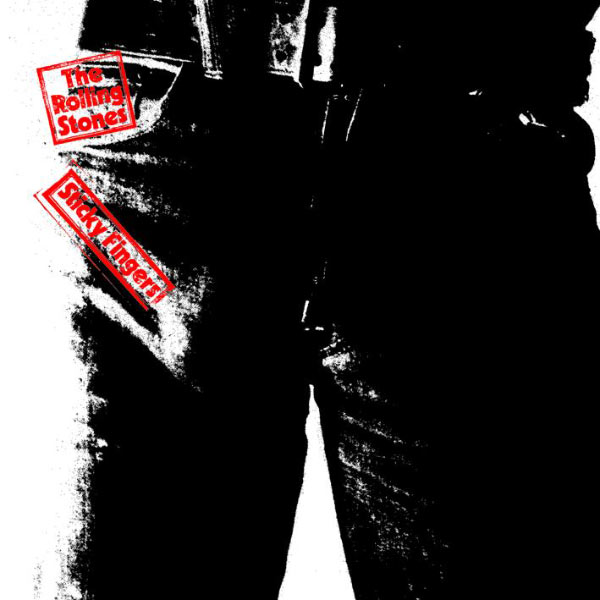
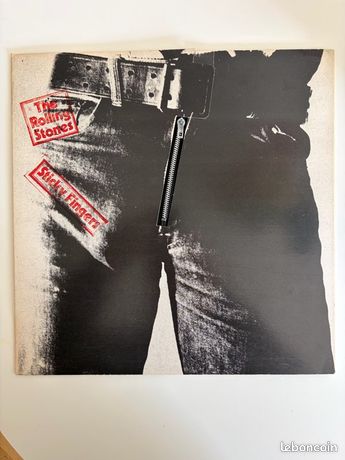
For Sticky Fingers, the original credits don't always break every contribution down track by track; other sources do document certain attributions, such as Bobby Keys on tenor saxophone on "Can't You Hear Me Knocking". Better to say so than to fill in the blanks.
The band steps out of the parade
In Barcelona, wind music doesn't come from studios. It comes from the street: the cobla, where the fiscorn — a kind of wide-bell flugelhorn — holds a central place, and the bands that play processions and squares, where the trombone can come in. In that tradition a band doesn't play to a static audience: it moves, and it acts as the PA for the group it accompanies.
La Pegatina, whose brass carries that band energy, have made the horns a dance engine rather than a folkloric ornament. On record the difficulty is technical, and it explains a great deal. A sax or a trumpet doesn't take kindly to a close mic: too close and you lose the alloy of the sound, leaving only the attacks. You need distance, which means room, which means a collective take with everyone playing together — and nobody able to patch it up in the edit without leaving a seam.
That's why credited brass changes the method too. An arranger who writes parts forces you to rehearse, to place the desks, to choose an acoustic. A plain guest arrives, plays, leaves. The sound keeps a trace of that organisation.
Listening
"Can't You Hear Me Knocking" is on Sticky Fingers (Rolling Stones Records), available on the main streaming platforms and in the standard vinyl reissues: expect to pay around £22–£30 for a standard new pressing, more for deluxe editions, less secondhand depending on the condition of the sleeve and the record.
To take it further, dig into the Daptone Records catalogue. The label's 45s are a good excuse to go back to the short format: play the A-side, then turn the record over.
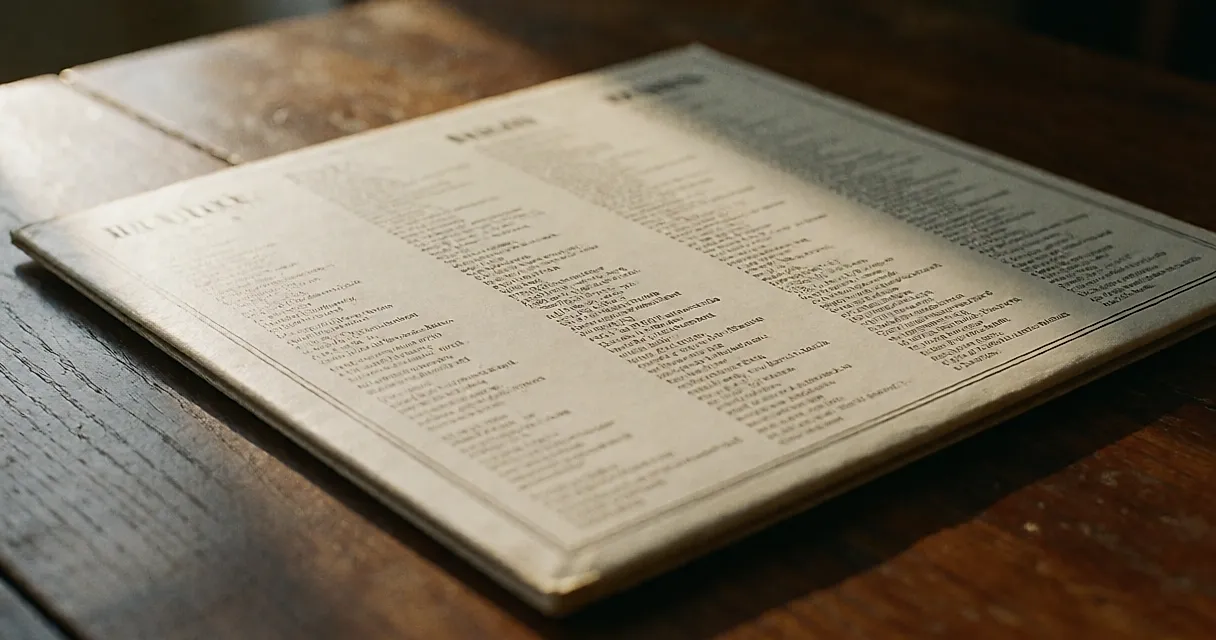
A habit worth having when you read the back of a sleeve: the word "horns" followed by first names and surnames — rather than a plain "brass section" — tells you that someone wrote parts. That small-print line is usually what separates brass as atmosphere from brass that matters.
One question stays open, and it's worth more than any ranking: if brass becomes a credited colour all the way along the chain of genres, is it the sound that changes, or the way we read a sleeve? Take the side that interests you, then work back through the credits — that's usually where the next track is hiding.
Credits
Credits for Sticky Fingers — The Rolling Stones (1971):
- Instruments: Mick Jagger (percussion); Bobby Keys (saxophone); Keith Richards (acoustic guitar, guitar); Ian Stewart (piano); Mick Taylor (guitar); Charlie Watts (drums); Bill Wyman (bass); Paul Buckmaster (strings) …
- Vocals: Mick Jagger; Ronnie Lane (backing vocals); Billy Nicholls (backing vocals); Keith Richards; Pete Townshend (backing vocals)
- Production: Jimmy Miller
- Engineering: Glyn Johns; Andy Johns
- Mixing: Jimmy Johnson
Source: MusicBrainz — consulted on 22 October 2026.

Comments
Your opinion matters: rate the article, react and reply to comments.
Comments are moderated; AI-assisted comments are flagged. Text emoticons (8-), :-), <3…) are automatically shown as images.