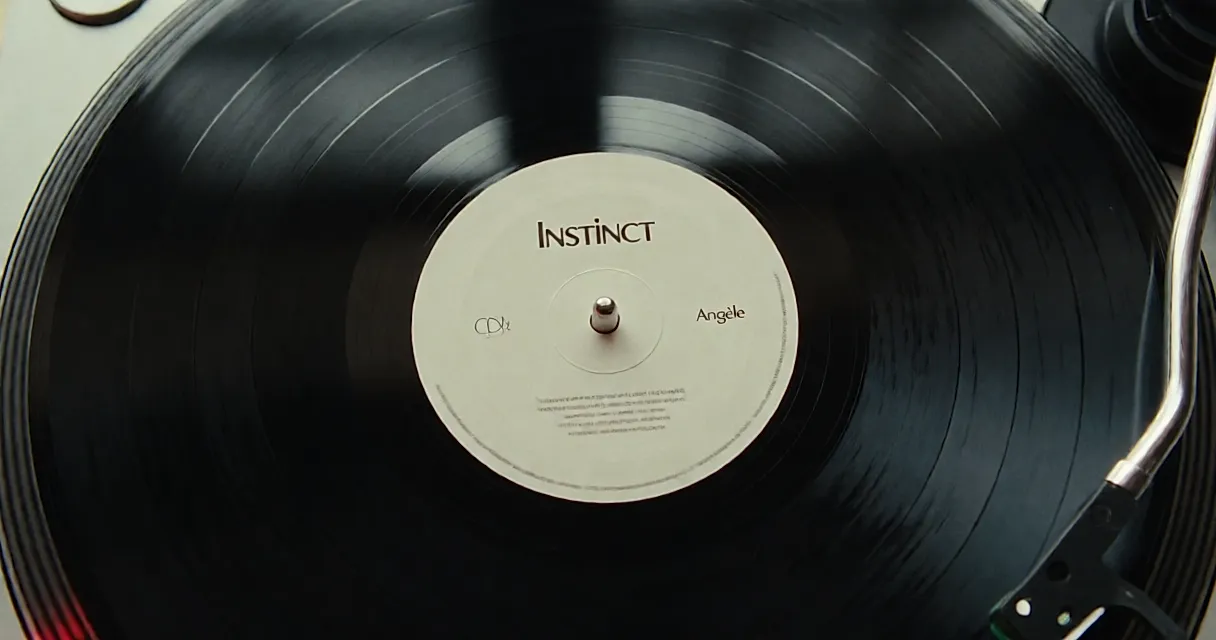
A chamber voice, and beneath it a kick that pushes forward like a lobby door shoved open. Angèle hasn't changed her timbre; she's changed her ground. The piano of Brol hasn't left the picture, but it's no longer what holds the song up. What has shifted is the way a French-language pop song is put together — and the French that gets sung in it.
The piano recedes, the rhythm grid moves in
Since Brol (2018), Angèle has established a chamber sound: piano, vocals mixed up close, discreet strings, choruses that have to hold without a wall of guitars. Nonante-Cinq (2021) had already moved the line — programmed drums, firmer basses, and on "Démons", that face-off with Damso which sets up a harder relationship with rhythm. The producer Tristan Salvati, there since the start, gains ground in the arrangements.
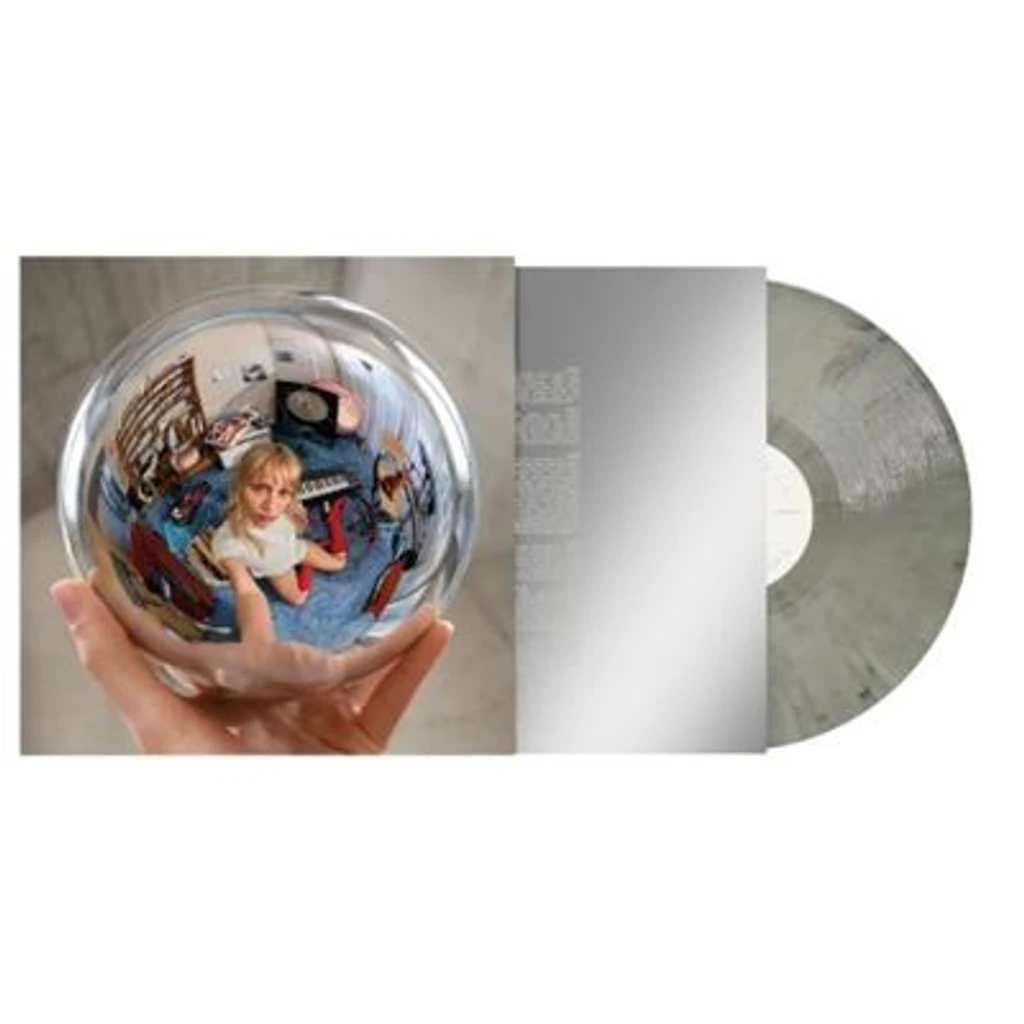
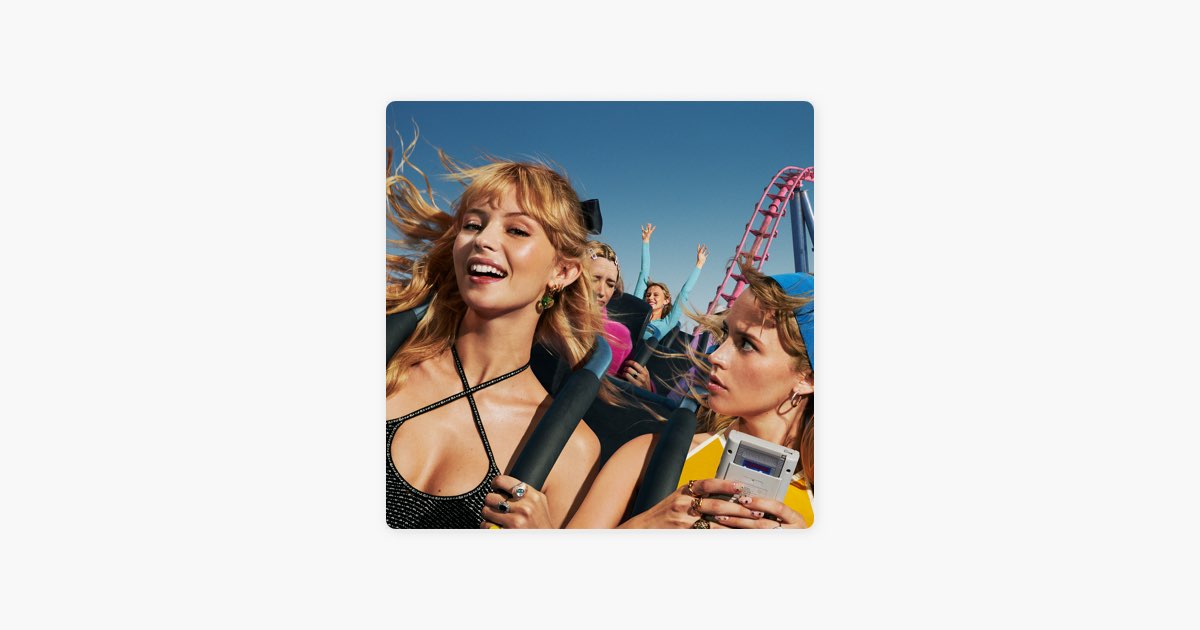
On Instinct, the movement completes itself: the tracks start from a rhythmic cell — a kick, a bassline, a percussion motif — and the melody comes to rest on top, not the other way round. The vocabulary is imported: jersey club grids, amapiano's breath, saturation and reworked vocals inherited from hyperpop. Nothing spectacularly exotic, though: French-language pop has been dancing for a long time, from French touch to the afro-club hits that reconfigured radio. What really changes is the scale — this lexicon arrives on a mass-audience record, not a niche production.
What the kick does to diction
French pop rests on an art of the sustained syllable: you open the vowel, you breathe between words, you let the phrase finish. On a club grid, that breath no longer works. The phrase shortens, locks onto the off-beats, repeats. The text loses its liaison and gains attack.
Angèle's case is interesting because her voice lends itself to it: medium register, soft consonants, a way of letting the ends of phrases die that stands up to being captured up close. The temptation, on this kind of production, is then to treat the vocal as material — double it, transpose it, cut it up. The risk is that the singer becomes a sample of herself. Instinct doesn't tip over entirely, but it raises the question: do we still write verses to be listened to, or to be passed through?
The scenery, the bone, and what's left
A club rhythm under a ballad doesn't make a club song. That's the trap of the era: stack a fast grid under writing that hasn't moved, and call it a metamorphosis. The difference plays out in the text, not the mix — when the drums force you to cut words, to shift an accent, to find a shorter image.
Second risk, more French: the pop audience listens first to what it's being told. A record that puts rhythm up front has to prove it isn't sacrificing intelligibility. Instinct bets on the opposite of showing off: fewer layers, a firmer low end, a voice that isn't dressed up. That may be where it's most audacious — not in the imported sonorities, but in what it agrees to remove.
Three listens, in this order. First the drums alone: pinpoint where the accents fall, and whether the voice follows or contradicts them. Then the text: note the phrases that wouldn't hold on a piano. Finally, come back to Nonante-Cinq — the gap between the two records says more than any genre label.
Listening
To listen, go through the usual platforms — Spotify, Apple Music, YouTube — according to availability; the artist's official page remains the safest starting point for checking which formats are actually available.
For physical, go through an independent record shop: that's often where the European pressings turn up and, sometimes, the limited editions that never come back. Budget-wise, expect between £21 and £30 for a new vinyl of current European production; the price rises with import, the colour of the pressing or a numbered edition, and drops on occasion. Check at the time of purchase, and only if a vinyl edition is announced on the official channels.
One question remains that no record will settle on its own: is it the club winning over French pop, or French pop digesting the club until it makes it inoffensive? To form your own view, play Brol straight after Instinct. Two ways of holding a voice upright, and the clear impression that sung French has started moving again.
Credits
Credits for Brol — Angèle (2018):
- Instruments : Angèle (keyboard) ; Tristan Salvati (guitar) ; Tristan Salvati (keyboard) ; Tristan Salvati (bass)
- Vocals : Angèle
- Production : Angèle ; Tristan Salvati
- Arrangements : Tristan Salvati
- Engineering : Tristan Salvati
- Mixing : Hugo Martinez "Martimix"
- Programming : Angèle ; Tristan Salvati
Source: MusicBrainz — consulted on 2026-10-22.

Comments
Your opinion matters: rate the article, react and reply to comments.
Comments are moderated; AI-assisted comments are flagged. Text emoticons (8-), :-), <3…) are automatically shown as images.