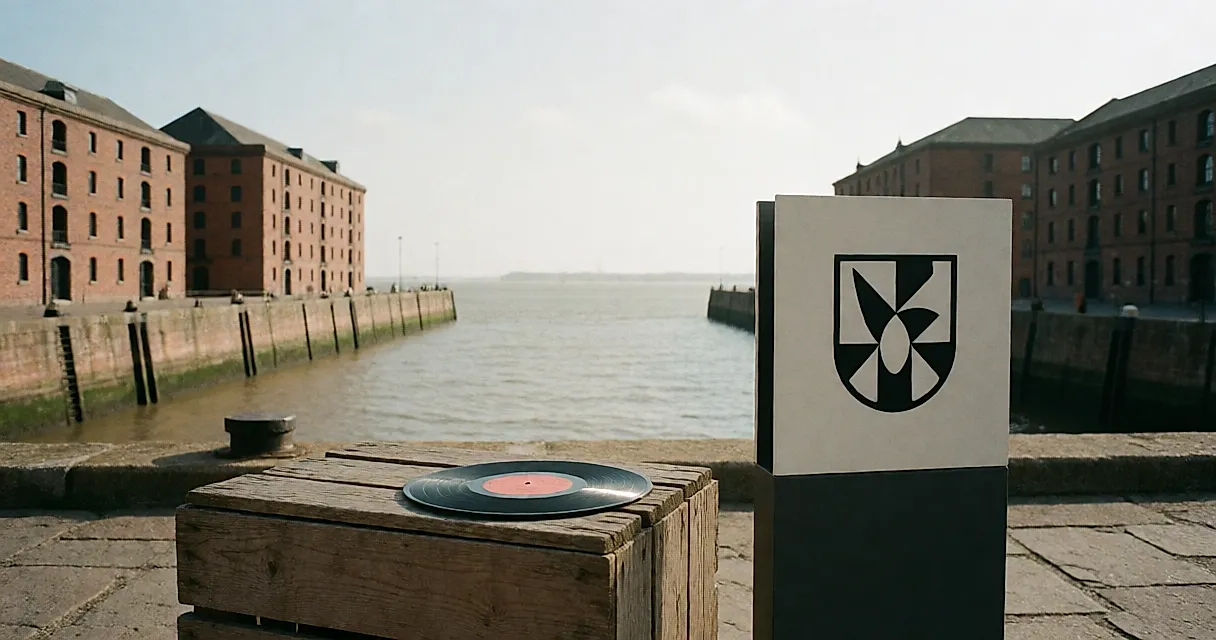
Nine thousand three hundred square metres. That is the floor area announced for the new Beatles experience due to open in Liverpool in 2028, opposite Lime Street. At the same time, another record from the city is marking its 40th anniversary without a display case: Liverpool, Frankie Goes To Hollywood's second and final album, released in 1986. Between the two lies a word that seemed simple: heritage.
Nine thousand three hundred square metres opposite Lime Street
Musikexpress reported on 21 October 2026 that the project is intended to be four times the size of The Beatles Story, which sits at the Albert Dock. Apple Corps, the commercial company founded in the late 1960s, is behind it. The timetable follows Sam Mendes's biopic, a 'Cinematic Event' across four films — one per band member — announced for April 2028.
The announced floor area is around 100,000 square feet, or 9,300 square metres. At that scale it is less a collection than an attraction. The project talks of original items, immersive technology and reconstructed sets.
The Cavern, Abbey Road and the concrete tower
The announced route begins in the bombed post-war Liverpool, passes through the Hamburg years and the Beatlemania explosion, and ends with today's prestige. Visitors are meant to go down into the Cavern Club — still visitable in the city — cross Abbey Road, reach Shea Stadium and the London rooftop of the Apple building, where the group gave its last public performance in 1969.
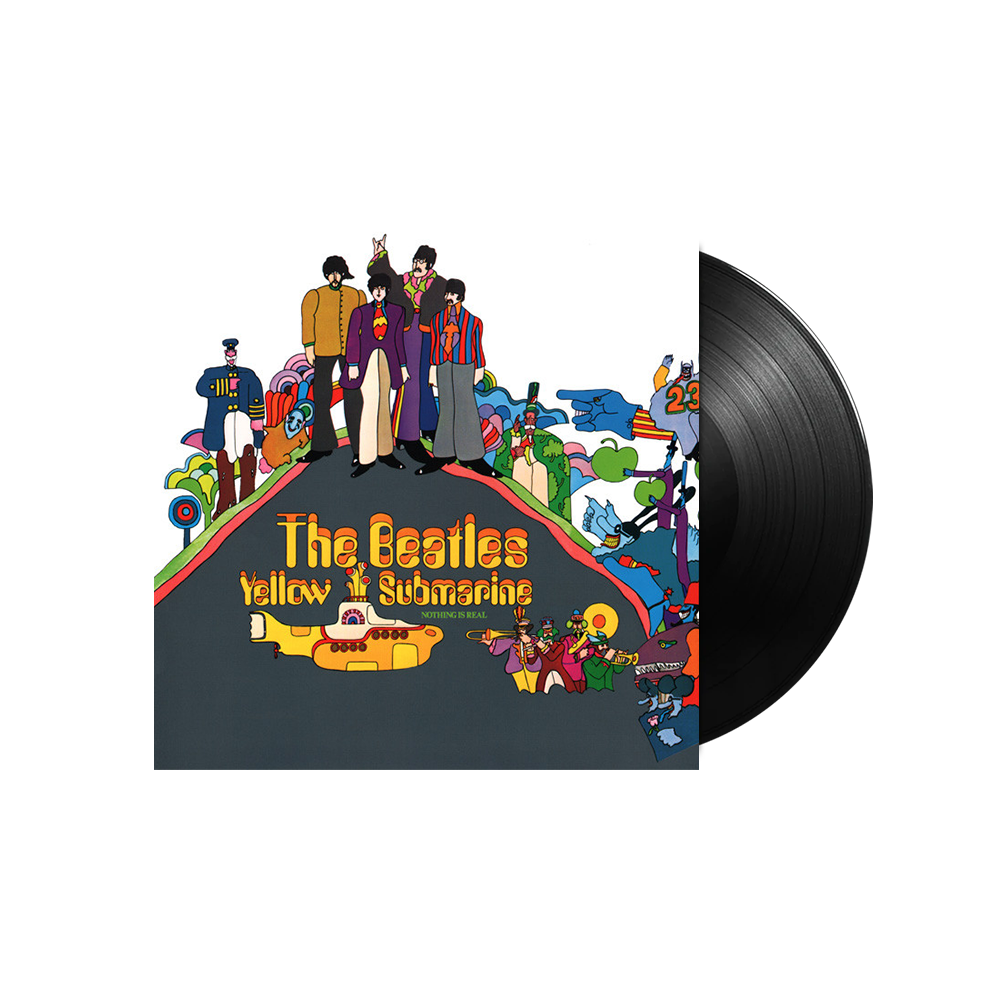
The oddest element is not a set: it is St John's Beacon, the concrete tower planted in central Liverpool. It is to house a 360° Yellow Submarine world, with a circular view over the city and the Mersey. The project also plans to reuse sets and props from Mendes's films — Paul Mescal, Harris Dickinson, Joseph Quinn and Barry Keoghan play the Fab Four — which amounts to folding a recent interpretation into the museum narrative.
What Ringo Starr says
Ringo Starr returned to the Dingle of his adolescence before summing it up in a sentence quoted by Musikexpress: 'Liverpool was and always will be a city of music.'
Then there is the practical side, the part that decides what comes next. The sources consulted give no budget, no ticket policy and no list of exhibits. The opening date is known only by year, 2028, and the project is billed as four times the size of the current museum. For the rest, we will have to wait.
The other Liverpool, the one without a display case
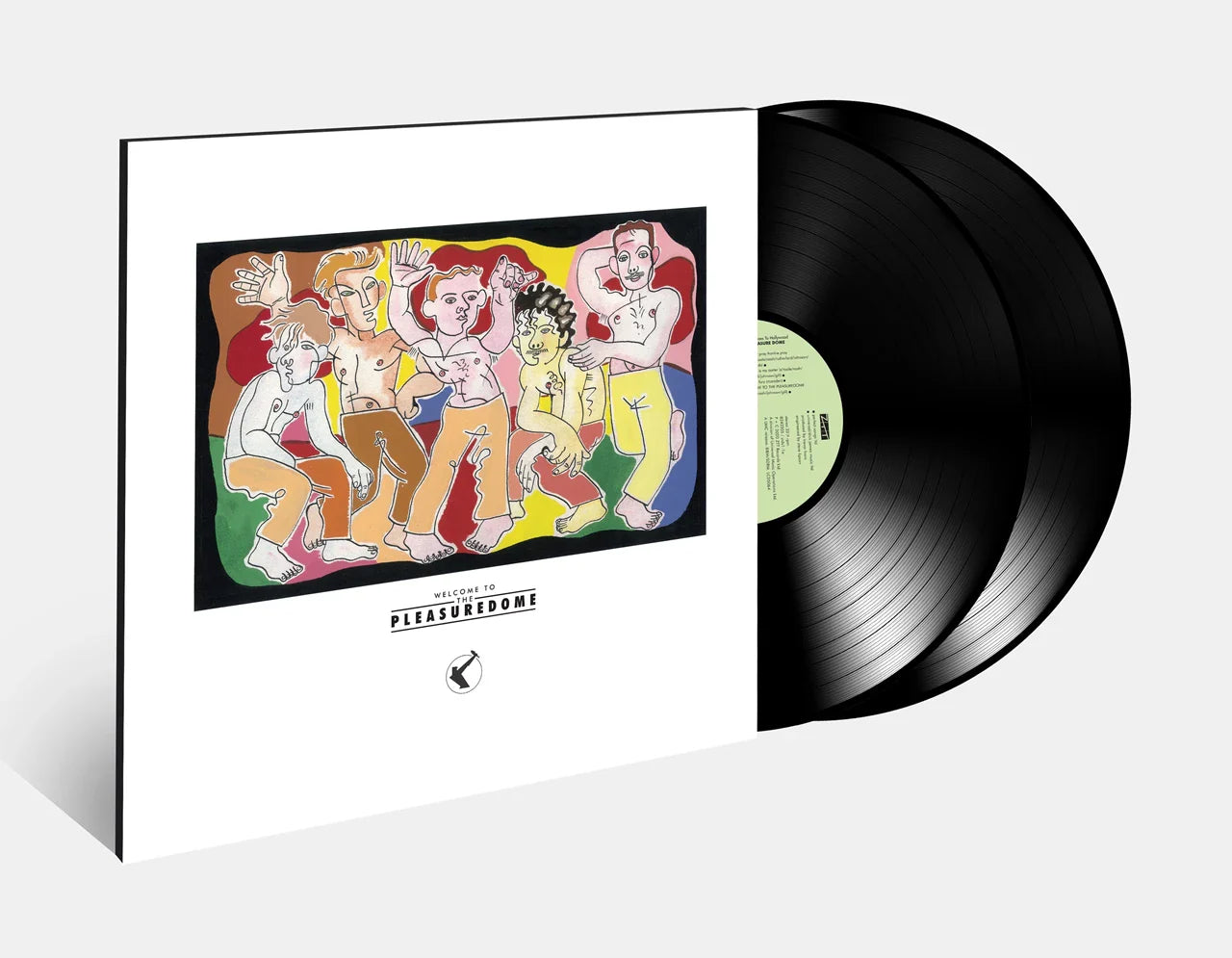
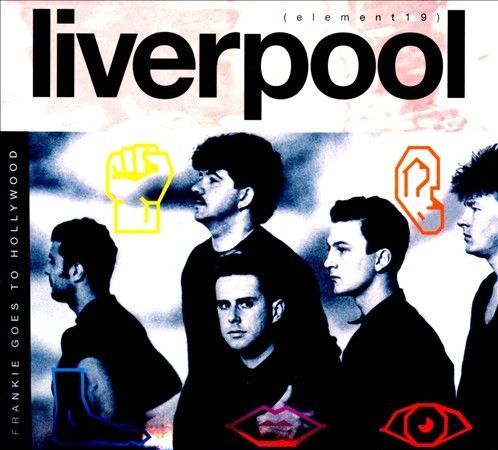
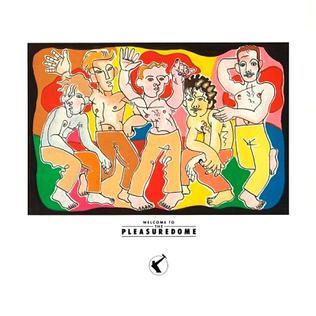
While the city builds its grand narrative, The Quietus published on 20 October 2026 a piece by Wyndham Wallace on the 40th anniversary of Liverpool, Frankie Goes To Hollywood's second album. The contrast is stark. Released in 1986, the record arrived in a changed country: mass unemployment, a miners' strike that had ended in defeat, Chernobyl in the spring. The group abandoned the fluorescent colours of Welcome to the Pleasuredome for black-and-white portraits by Anton Corbijn.
The outcome is documented: mostly hostile reviews, then a split. The label ZTT attempted a reappraisal in 2011 with an expanded reissue containing more than 100 minutes of bonus material in a carefully presented box — Wallace himself notes that the operation could not convince. Liverpool remains a footnote.
And that is precisely what makes the case interesting. A city that tells its story through a museum chooses stories of ascent; it does not devote 9,300 square metres to a record that critics largely rejected. Yet that record documents its era as precisely as a Hamburg set. Can pop heritage include its badly received records, or do we keep only the albums whose outcome everyone knows?
On the back of the sleeve
The credits for Welcome to the Pleasuredome list the musicians and team: Anne Dudley on keyboards, Peter Gill on drums, Luís Jardim on percussion, Brian Nash on guitar, Mark O'Toole on bass and Andy Richards on keyboards. On vocals: Holly Johnson, Mark O'Toole and Paul Rutherford. Production by Trevor Horn, with Stephen Lipson on additional production; engineering by Stephen Lipson and Stuart Bruce; additional arrangements by Anne Dudley, who also did the string arrangements.
These names tell a method: a studio core around Trevor Horn, keyboards and strings from Anne Dudley, an identifiable rhythm section. For Liverpool, the sources consulted do not give full credits; we know the group changed its image and moved into Anton Corbijn's black and white. This is an uncertainty worth flagging: the opposition between the two records is documented by sleeves and reviews, not by a comparison of credits.
What the sources do not say. The opening date is known only by year (2028), and the list of exhibits has not been made public. One figure to hold on to, though: the announced floor area, around 9,300 sq m, four times the current museum.
Listen
Two records let you measure the gap. For chronological order, start with Welcome to the Pleasuredome (1984), then go on to Liverpool (1986): same group, two eras, two aesthetics. To measure the fall, do the reverse. For the second, the 2011 ZTT reissue, with its extras, is the one cited by The Quietus.
On formats, both albums have had vinyl and CD editions and also exist digitally. For digital, start with the usual UK services — Spotify, YouTube and Qobuz among them — and check the edition and local availability. For physical copies, Rough Trade and independent record shops are a good starting point; check the label and pressing year. Prices vary with edition, pressing and condition: expect around £25-£35 for a standard new vinyl LP, more for expanded box sets, and much less second-hand.
On the Beatles side, the sources consulted describe neither ticketing nor booking for the project. As for the current museum, The Beatles Story occupies the Albert Dock; the new project is billed as four times its size.
So one thing remains, and it costs no ticket: play Liverpool before Welcome to the Pleasuredome, and look at what a city produces when it stops believing in it. The museum is announced for 2028. There will still be time, then, to check what it has kept.
Credits
Credits for Welcome to the Pleasuredome — Frankie Goes to Hollywood (1984):
- Instruments: Anne Dudley (keyboards); Peter Gill (drums); Luís Jardim (percussion); Brian Nash (guitar); Mark O'Toole (bass); Andy Richards (keyboards)
- Vocals: Holly Johnson (vocals); Mark O'Toole (vocals); Paul Rutherford (vocals)
- Production: Trevor Horn; Stephen Lipson (additional)
- Arrangements: Anne Dudley (additional)
- Engineering: Stephen Lipson; Stuart Bruce
Source: MusicBrainz — consulted on 22 October 2026.
Sources
- Musikexpress — The Beatles: Sie bekommen ein neues Zuhause in ihrer Heimatstadt Liverpool, Ralf Niemczyk, 21 October 2026.
- The Quietus — Beyond The Pleasuredome: Frankie Goes To Hollywood's Liverpool 40 Years On, Wyndham Wallace, 20 October 2026.
Comments
Your opinion matters: rate the article, react and reply to comments.
Comments are moderated; AI-assisted comments are flagged. Text emoticons (8-), :-), <3…) are automatically shown as images.