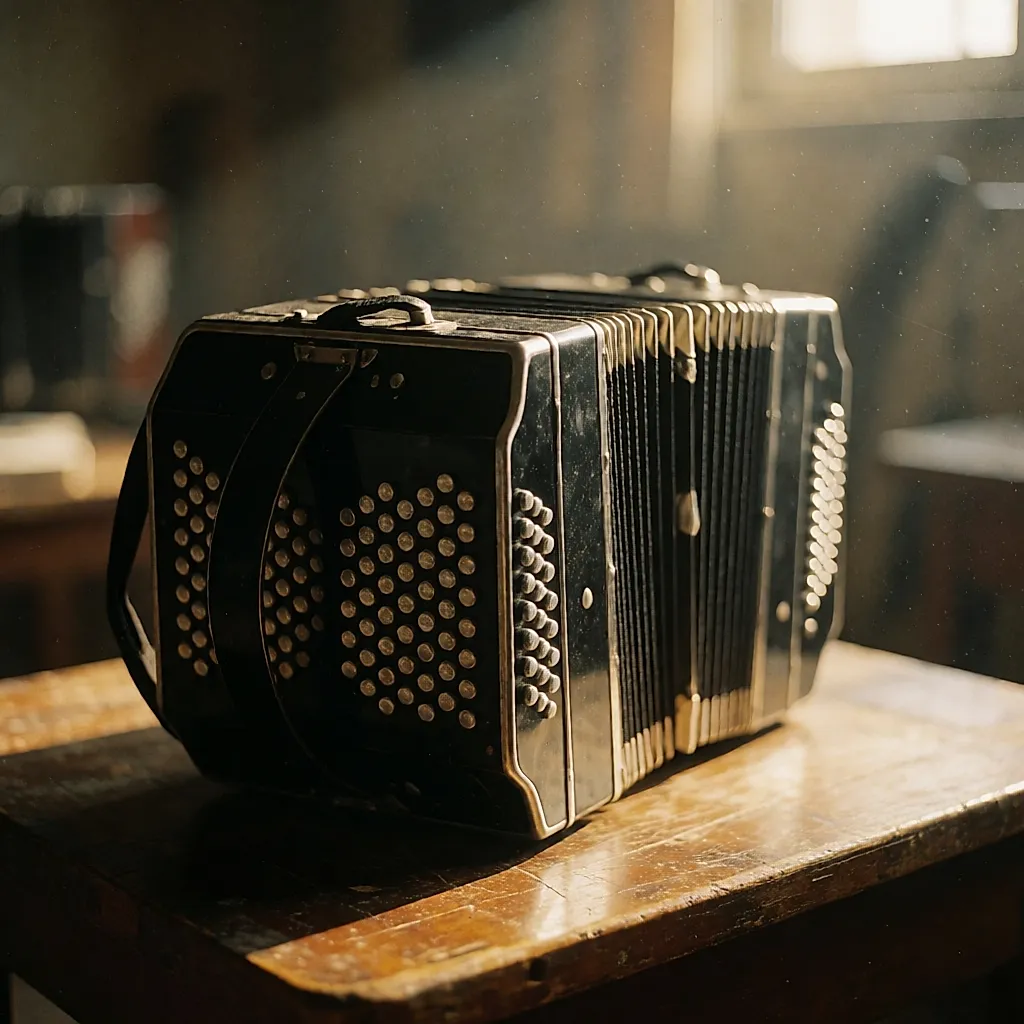
A bandoneon wheezing, then a bass that walks. Between the two: a few years, a studio in the Bahamas and one fixed idea — to fit a Piazzolla tango inside a reggae frame. On “I’ve Seen That Face Before (Libertango)”, Grace Jones doesn’t cover the piece. She moves it. And that move raises a question.
A tango that looks towards Europe
Astor Piazzolla records “Libertango”. The title is a portmanteau, libertad plus tango, and the piece earns it: this is no drawing-room tango but a nervous mechanism built on a descending phrase that comes back like an obsession. Piazzolla, born in Mar del Plata in 1921, was living in Italy at the time, surrounded by European musicians and electric keyboards — far from Buenos Aires, where his “nuevo tango” had long split opinion.
Success came first on this side of the Atlantic. “Libertango” found an Italian and French audience before becoming, over the decades, one of the most-covered themes in the Piazzolla repertoire. That is where the journey starts: a European instrumental, written by an Argentinian, with no words and no reggae drums yet.
The studio as a stopover
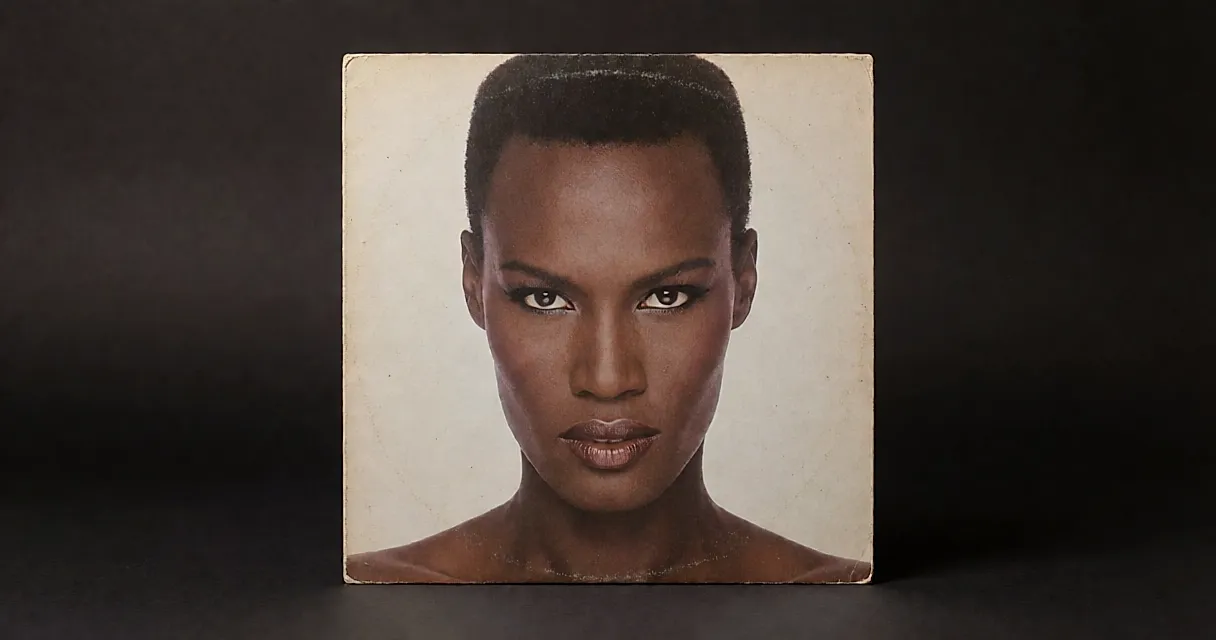
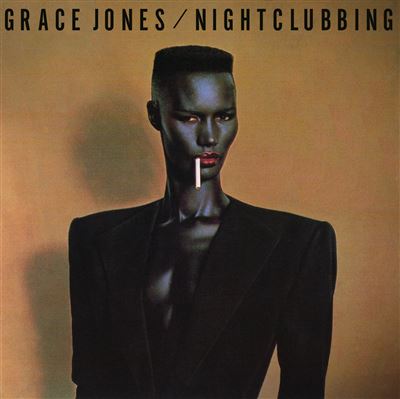
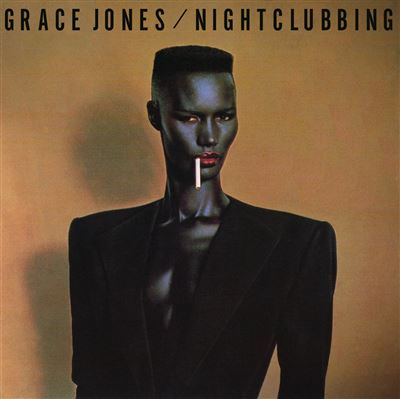
A few years later came Grace Jones’s Nightclubbing, recorded in 1980 at Compass Point Studios in Nassau, Bahamas — the studio founded by Chris Blackwell, the head of Island Records. Production is credited to Blackwell and Alex Sadkin. It was her second record with the same team, after Warm Leatherette in 1980, and with the same rhythm section: Sly Dunbar on drums, Robbie Shakespeare on bass, Wally Badarou on keyboards, Mikey Chung and Barry Reynolds on guitar, Uziah “Sticky” Thompson on percussion.
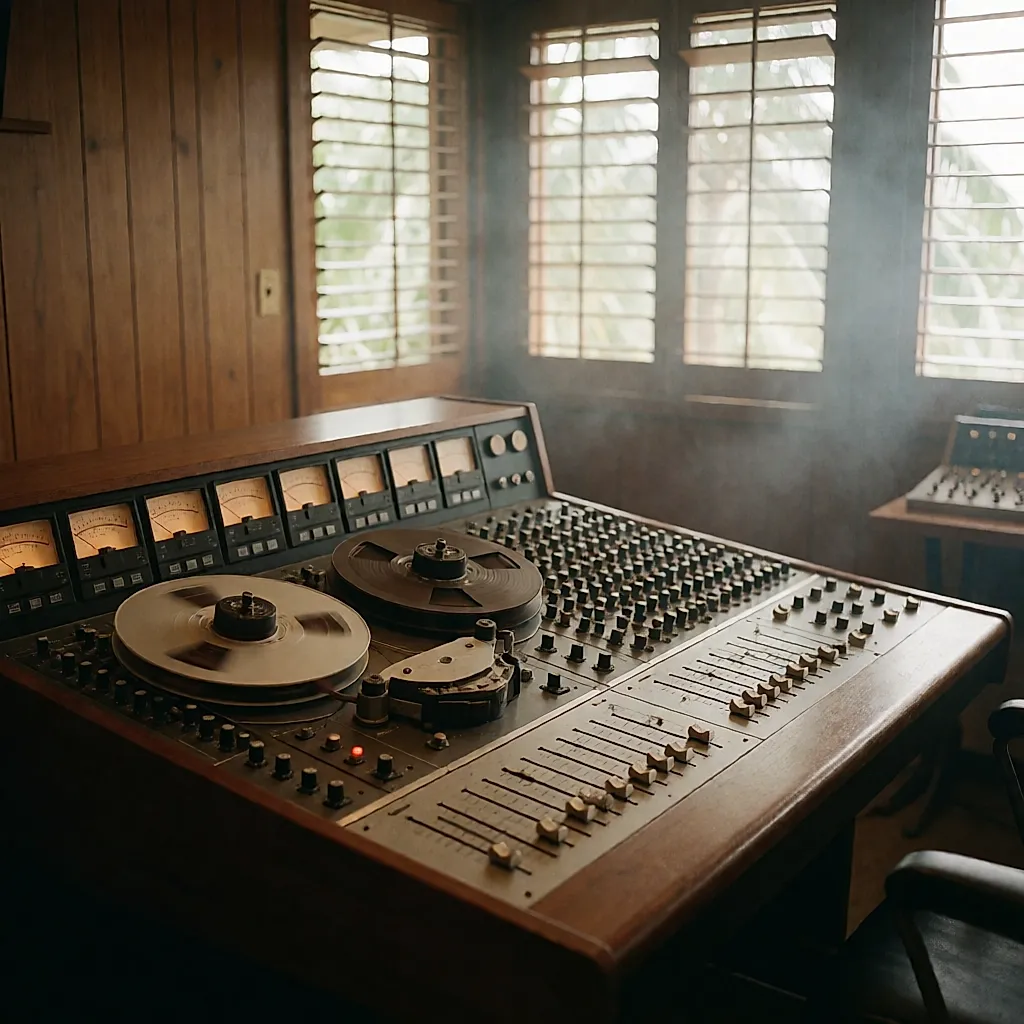
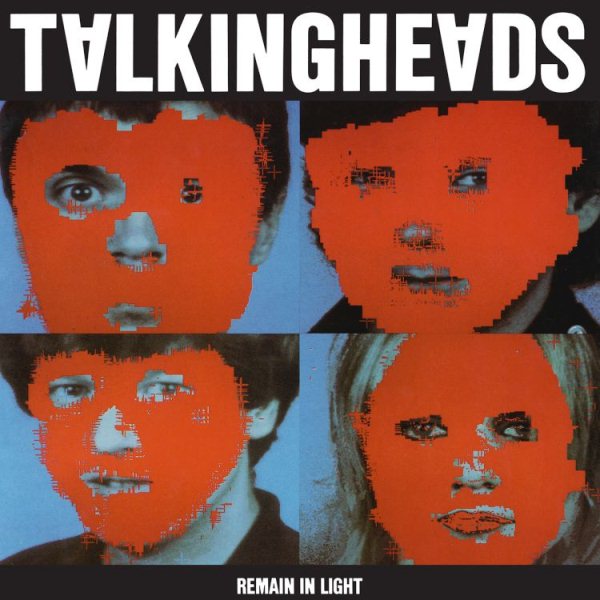
In the liner notes the album carries covers of Bill Withers and Flash and the Pan, plus a song written by Sting. “I’ve Seen That Face Before (Libertango)” is a sung adaptation of an instrumental. The lyrics are credited to Barry Reynolds, the session guitarist, and Dennis Wilkey; they lay a nocturnal figure over the melody, a face you recognise and would rather not. Compass Point was no anonymous room: Talking Heads recorded Remain in Light there in 1980, and the place became a laboratory where reggae met pop.
Two listens, two landmarks. Play “Libertango” and “I’ve Seen That Face Before (Libertango)” (1981) back to back. The first instinct is to follow the melody; the second, more revealing, is to follow the bass. In one it marks the walk; in the other it tells the story.
What the arrangement does to the tango
The tempo has shifted: less jitter, more weight. Where Piazzolla strung phrases together with the urgency of a milonga, the Nassau version settles into a wide, heavy reggae-disco sway. The bandoneon — the instrument that, for many listeners, is the tango — can be heard here as handing more room to other timbres. The Nightclubbing credits list Jack Emblow on accordion, so the line can’t be reduced to a single instrument. That standing back may say the essential thing: you don’t translate a tango by covering it, you translate it by moving its original timbre aside. In 1981, it gets replayed.
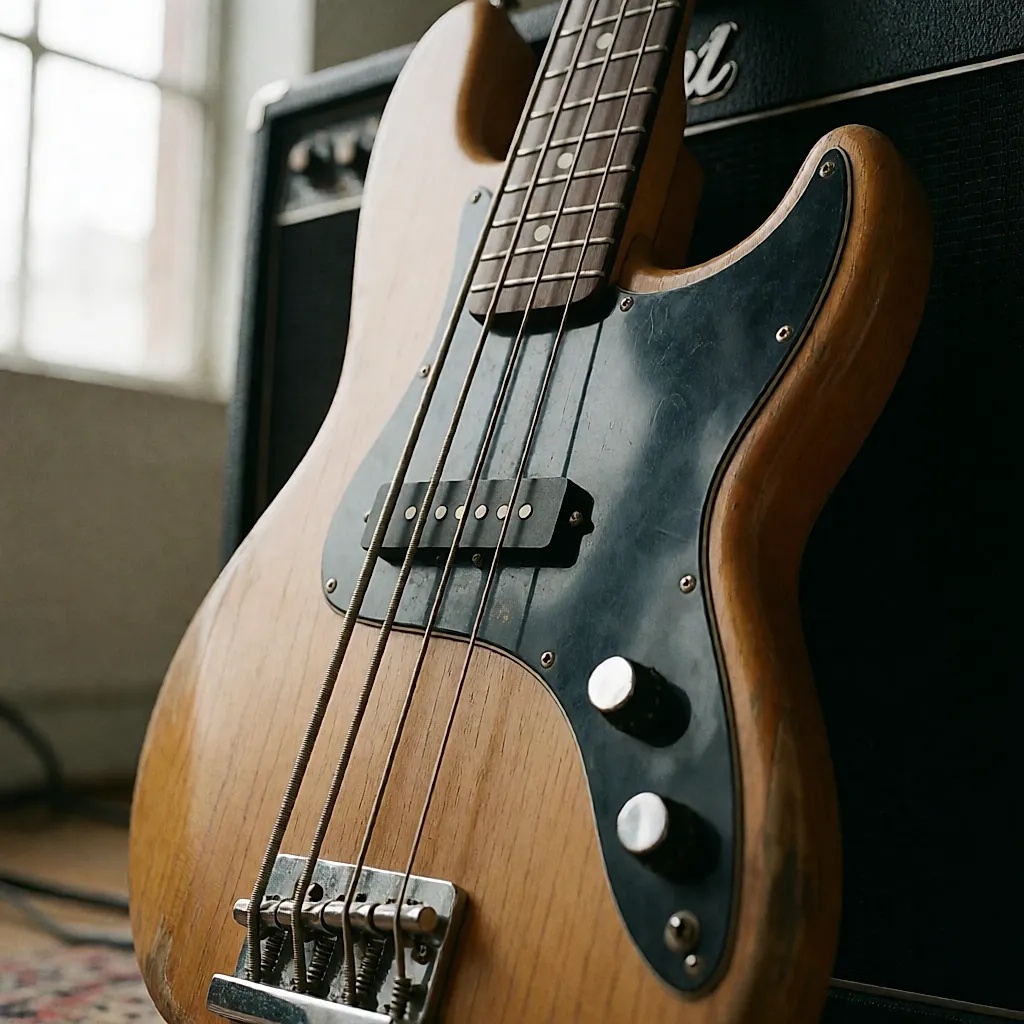
Second decision: the bass. In tango it beats time, almost like a metronome. In the Compass Point arrangement, Robbie Shakespeare’s bass turns melodic, syncopated and pushed forward in the mix: it no longer counts the beats, it leads the track. That is probably the real tipping point. A listener who knows only Grace Jones’s version never hears a tango bass; a listener who knows Piazzolla no longer hears the same bass.
Third decision, harder to name: silence. Sadkin and Blackwell’s production comes out of dub — it leaves holes, takes instruments away, lets the groove breathe. Grace Jones’s half-spoken tone sits down in those spaces. Tango filled; here, you choose what not to play. The arrangement is as much a matter of withdrawal as of addition.
The voice, and what else it shifts
Grace Jones’s voice doesn’t sing “Libertango”: it passes through it. Halfway between speech and song, it changes the nature of the piece — you move from an instrumental scene to a character looking on. She isn’t trying to imitate the bandoneon’s phrasing; she installs her own, colder, more theatrical. The famous “I’ve seen that face before” no longer describes a place, it installs a disquiet. That may be where the migration is most complete: the melody stays, but it is telling a different story.
It’s worth putting the record back in its moment. In 1980 Talking Heads recorded Remain in Light in the same Nassau studio; a year later, Nightclubbing pushed the blend of reggae, funk and sophisticated pop further. Grace Jones would go elsewhere, with Slave to the Rhythm in 1985, but the crossing happens here. One question can stay open: what is left of a tango when you take away its bandoneon and its original tempo? Perhaps precisely what travels best — a melodic phrase, and the space left around it.
Where to listen
- Grace Jones — “I’ve Seen That Face Before (Libertango)”, on the album Nightclubbing (Island, 1981): streaming on Spotify, Apple Music and YouTube; vinyl and CD reissues on Island/Universal.
- Astor Piazzolla — “Libertango”: the original recording circulates on compilations and reissues devoted to his work, on streaming and on record.
On price, expect around £22–27 for a new vinyl reissue of Nightclubbing and £9–13 for a CD; an original 1981 pressing usually trades at £13–35 depending on condition, country and how scarce the edition is. Those ranges move with imports and second-hand supply. For buying, your local independent record shop — Rough Trade, or whichever indie is nearest — remains a useful anchor: it can order whatever edition is available and tell you what has actually been pressed. Reissues exist on vinyl and CD; check the label and the pressing year before you buy.
Nightclubbing credits
Credits for Nightclubbing — Grace Jones (1981):
- Instruments: Wally Badarou (keyboards); Mikey Chung (guitar); Lowell “Sly” Dunbar (drums); Jack Emblow (accordion); Barry Reynolds (guitar); Robert “Robbie” Shakespeare (bass); Uziah “Sticky” Thompson (percussion)
- Vocals: Grace Jones (lead vocals)
- Production: Chris Blackwell; Alex Sadkin
- Engineering: Benjamin Armbrister (assistant)
- Mixing: Alex Sadkin
Credits
Credits for Nightclubbing — Grace Jones (1981):
- Instruments: Wally Badarou (keyboards); Mikey Chung (guitar); Lowell “Sly” Dunbar (drums, synthesiser); Barry Reynolds (guitar); Robert “Robbie” Shakespeare (bass); Uziah “Sticky” Thompson (percussion)
- Vocals: Grace Jones (vocals)
- Production: Chris Blackwell; Alex Sadkin
- Engineering: Benjamin Armbrister (assistant)
- Mixing: Chris Blackwell; Alex Sadkin
Source: MusicBrainz — consulted 22 October 2026.
Sources
- Credits, dates and label: MusicBrainz — Nightclubbing, consulted 22 October 2026.
Comments
Your opinion matters: rate the article, react and reply to comments.
Comments are moderated; AI-assisted comments are flagged. Text emoticons (8-), :-), <3…) are automatically shown as images.